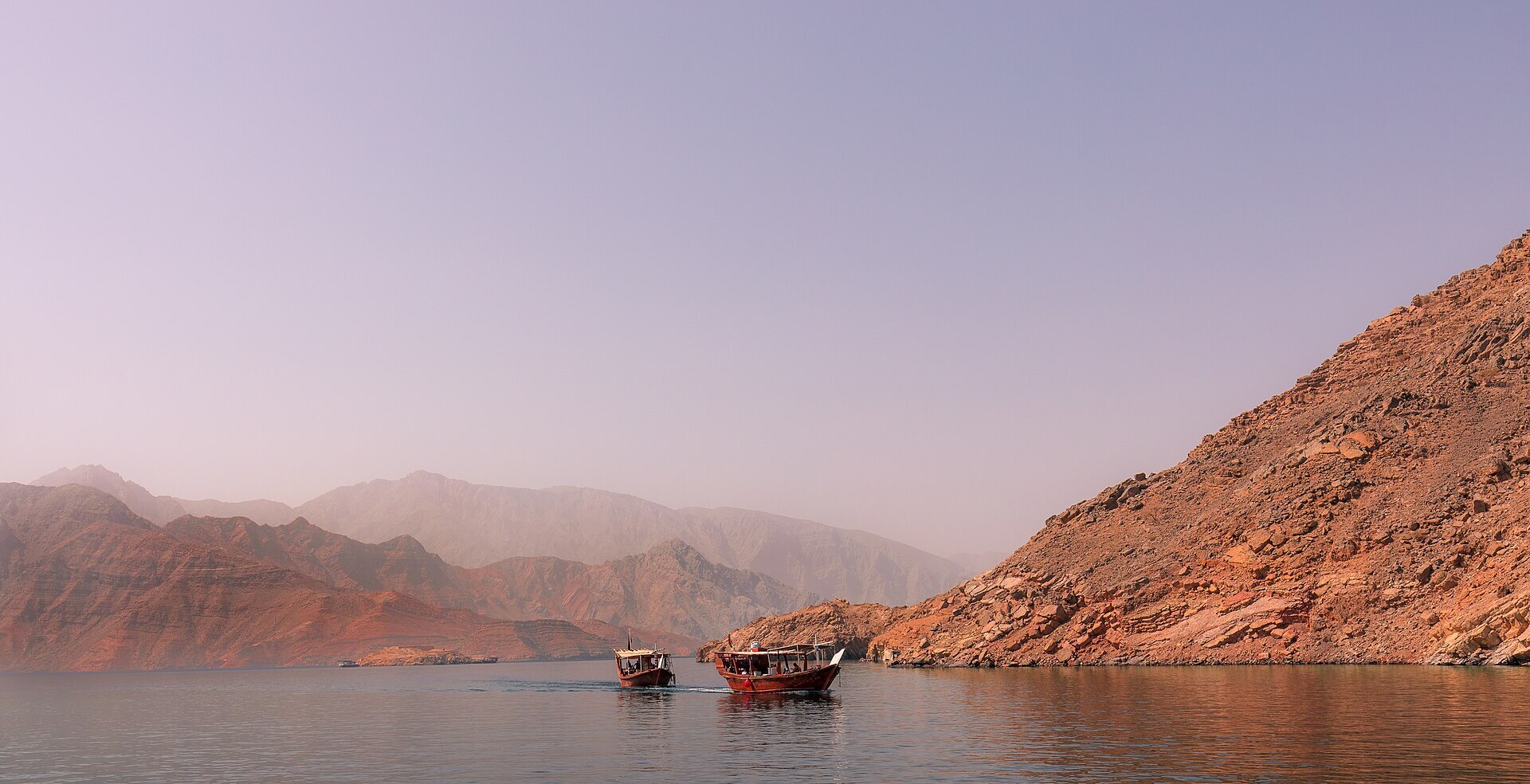
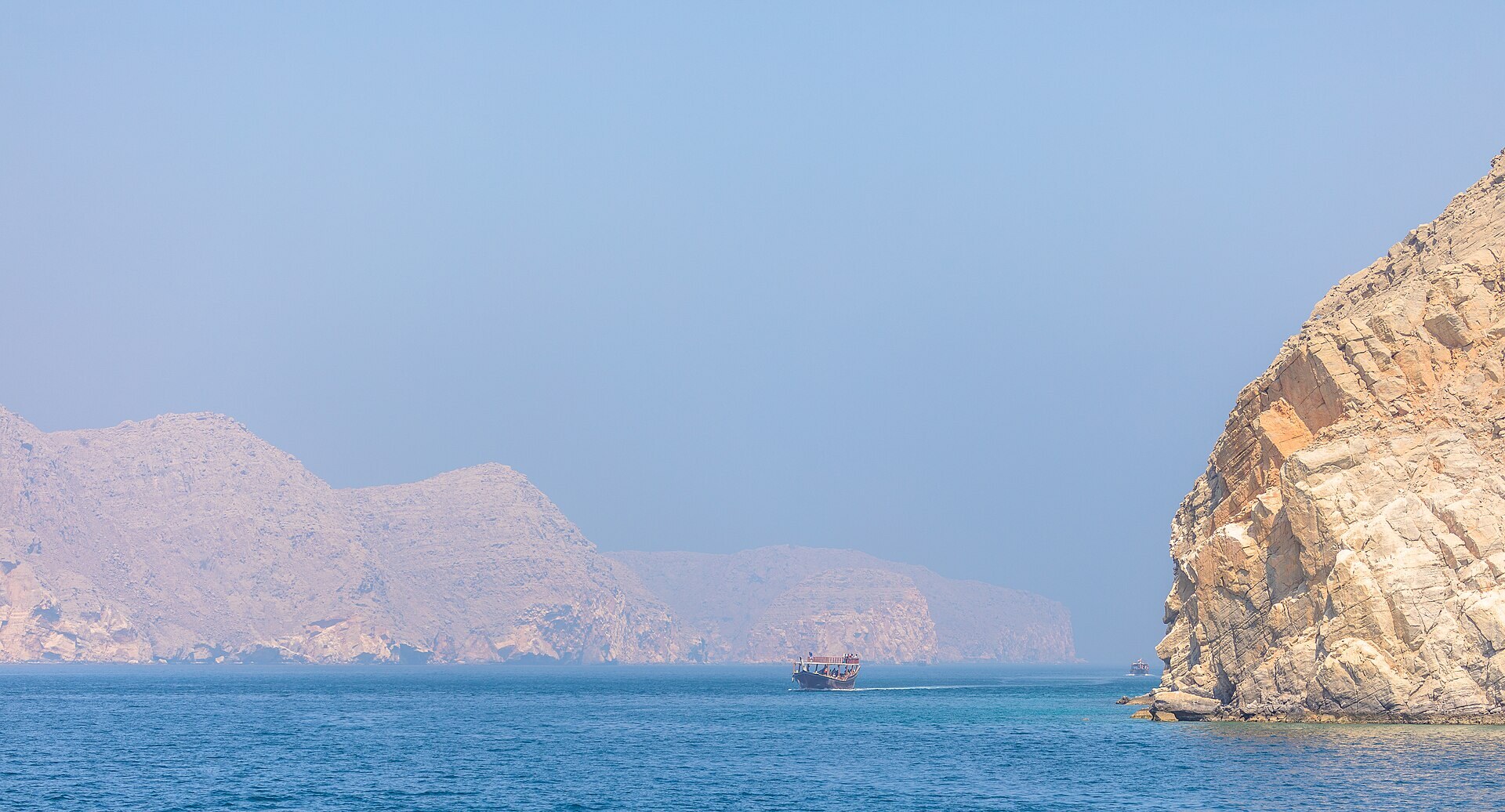
At the tip of Arabia, where the mountains drown in the Strait of Hormuz, Oman keeps an exclave of mile-deep inlets, stilt fishing villages and wooden dhows trailing dolphins. Musandam is the Gulf's best-kept day trip and an even better overnight: this guide covers the border, the boats and the mountain road above them.
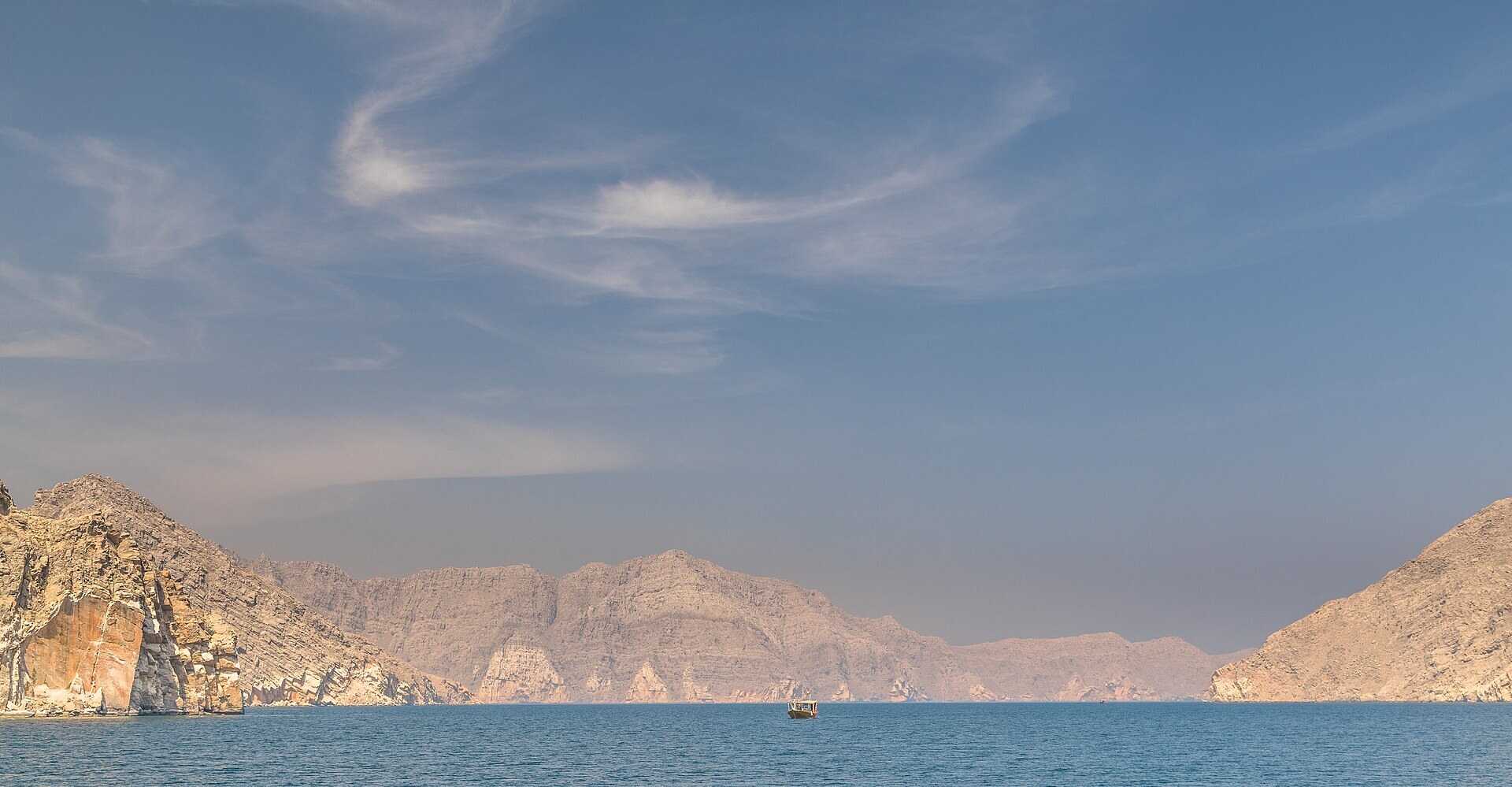
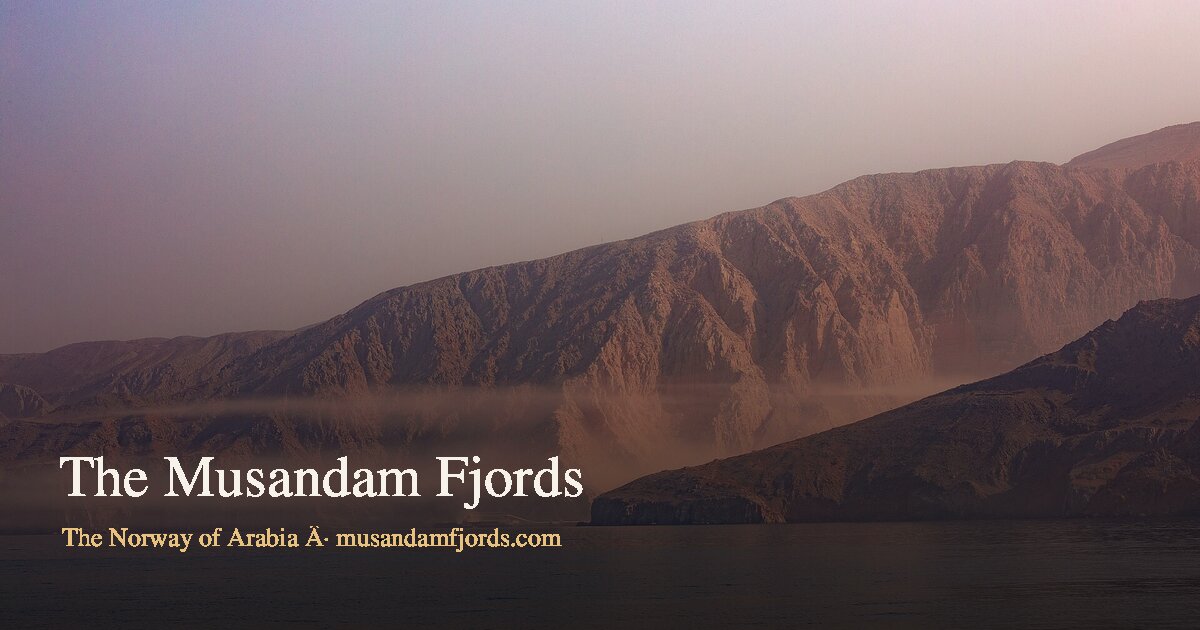
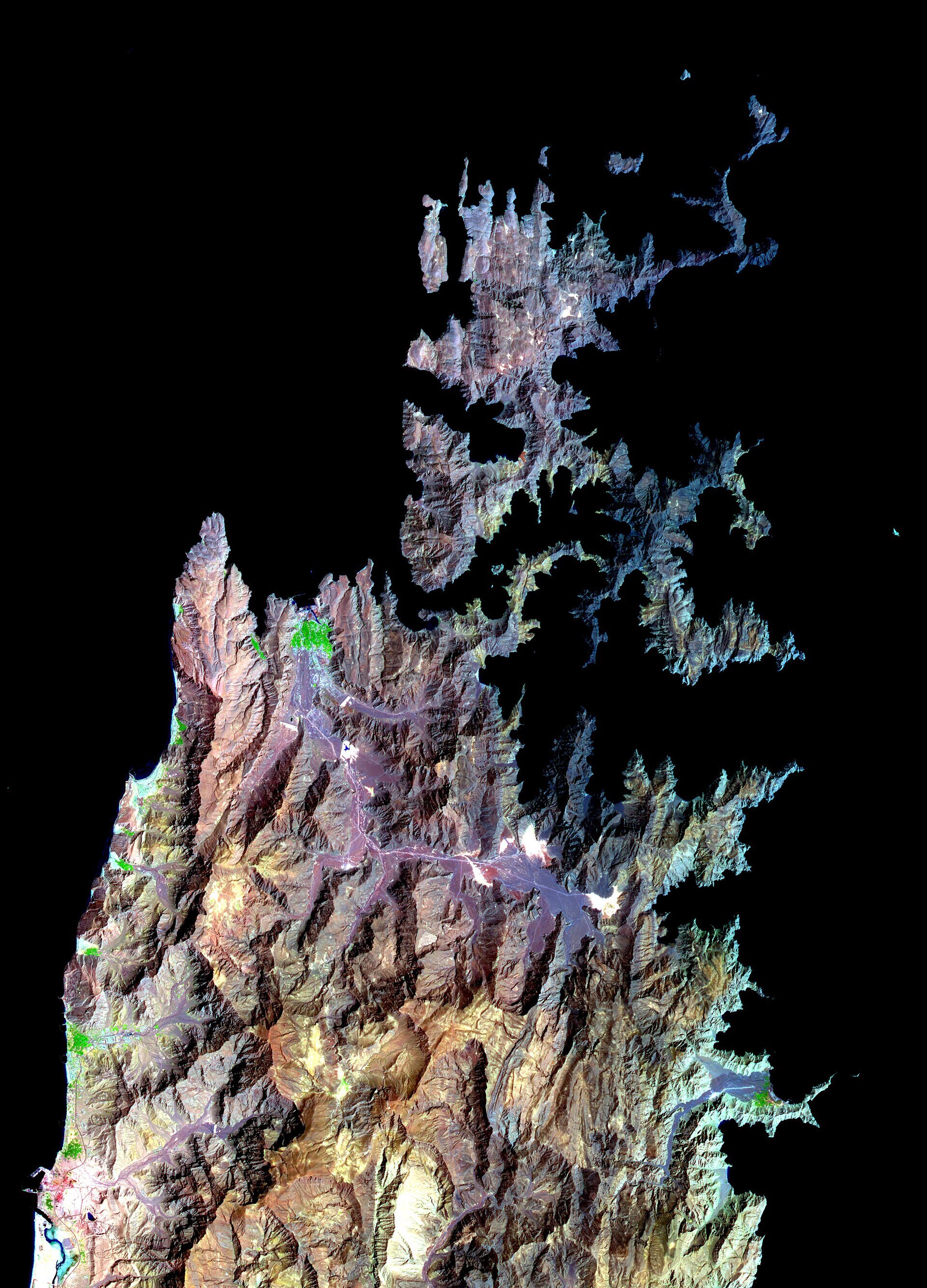
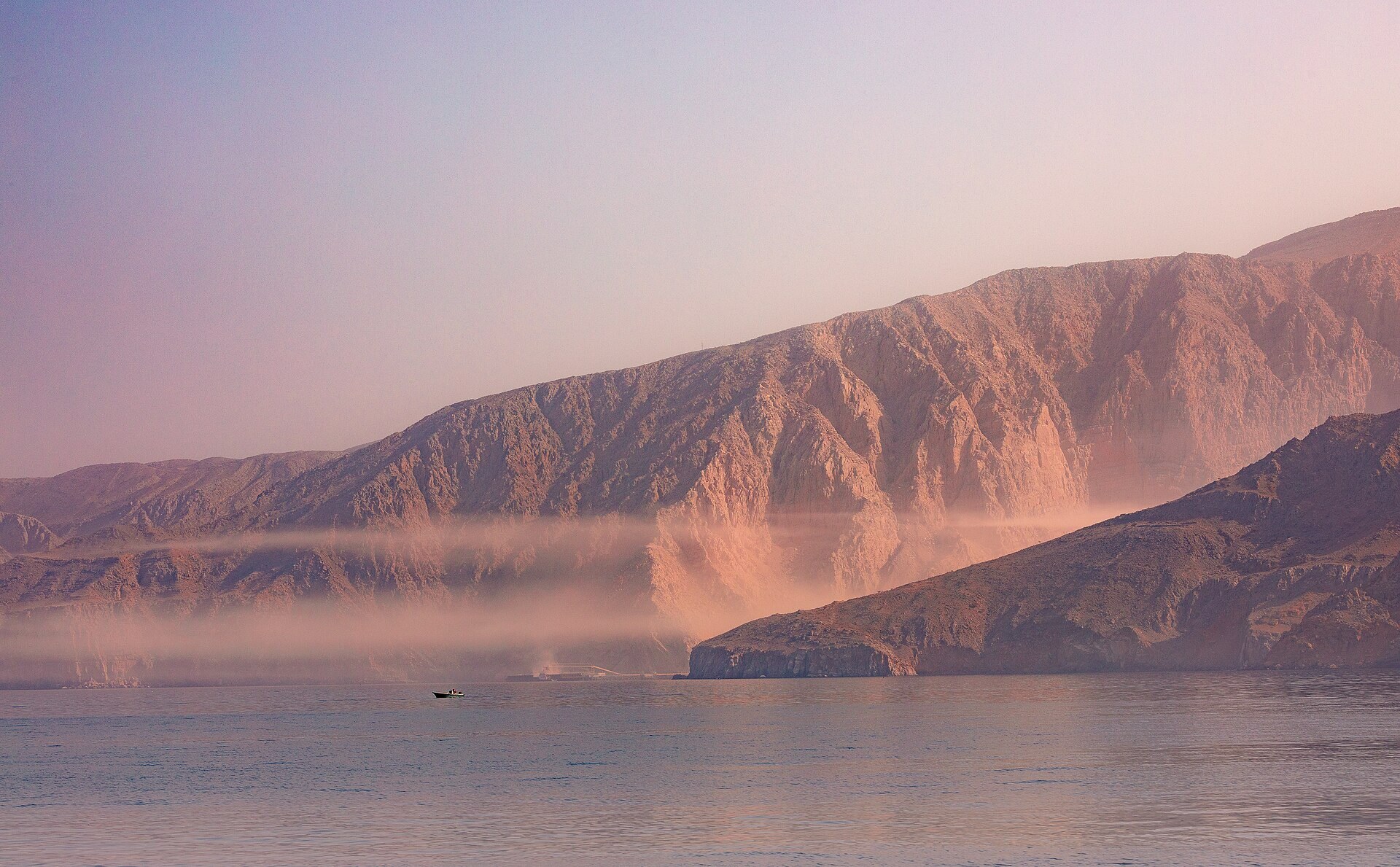
Geology did something strange here: the Hajar mountains are sinking, and the sea has flooded their valleys into khors, true fjords in all but latitude, walled by a thousand metres of folded limestone. The water is calm, warm and absurdly clear.
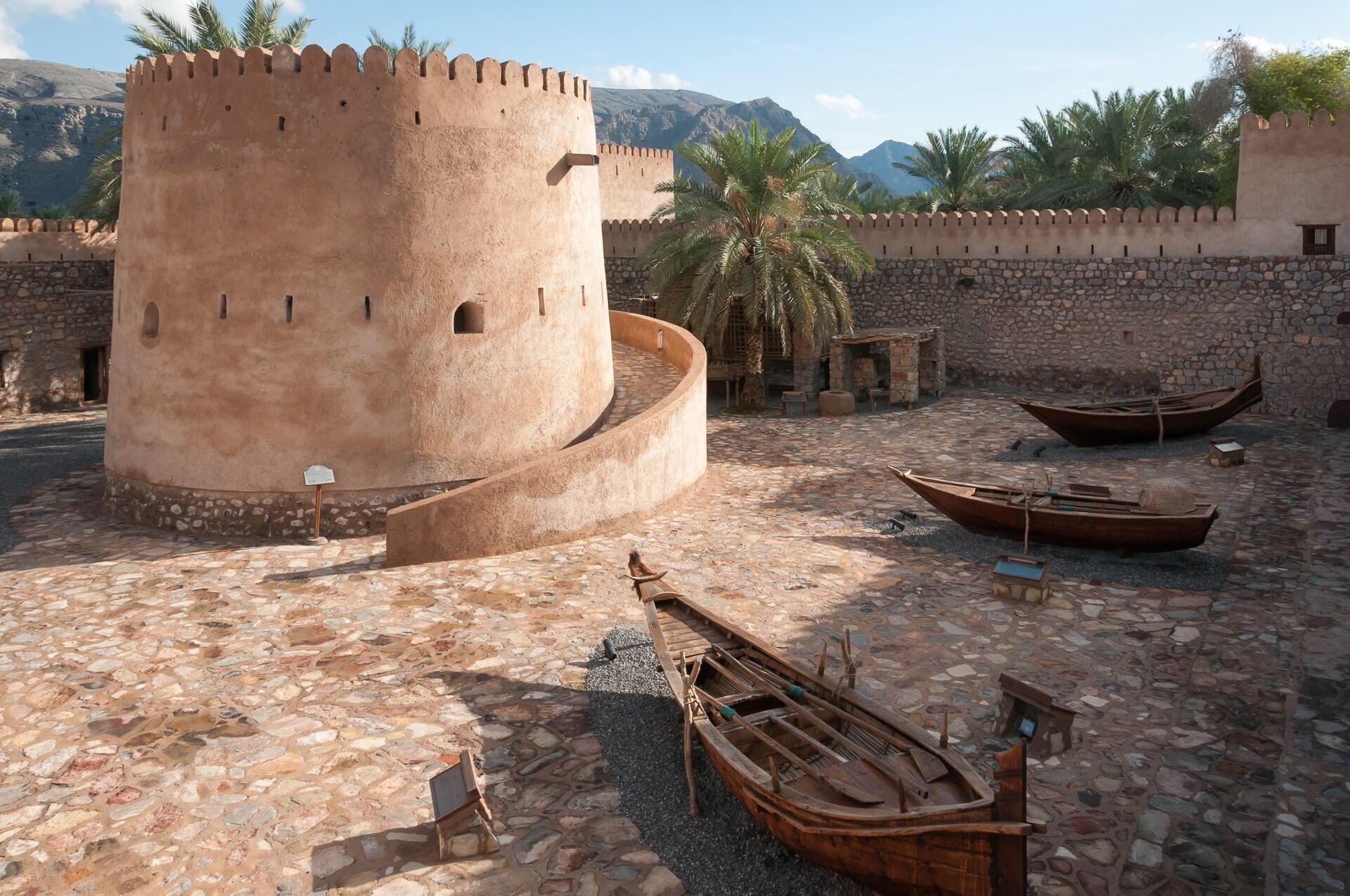
Khasab, the little capital under its Portuguese fort, is the base: dhows leave its harbour every morning, and the mountain road to Jebel Harim climbs straight out of town.

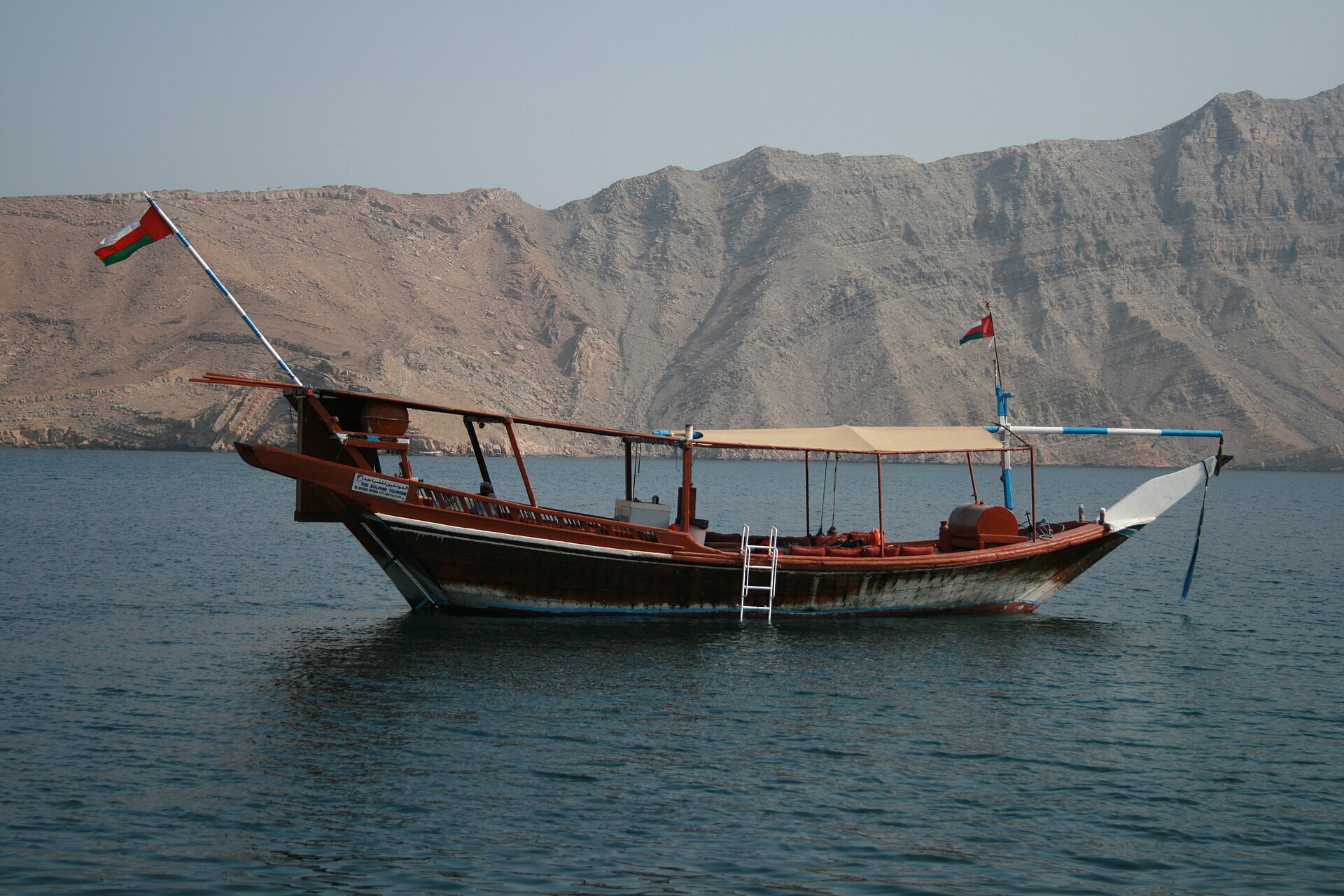
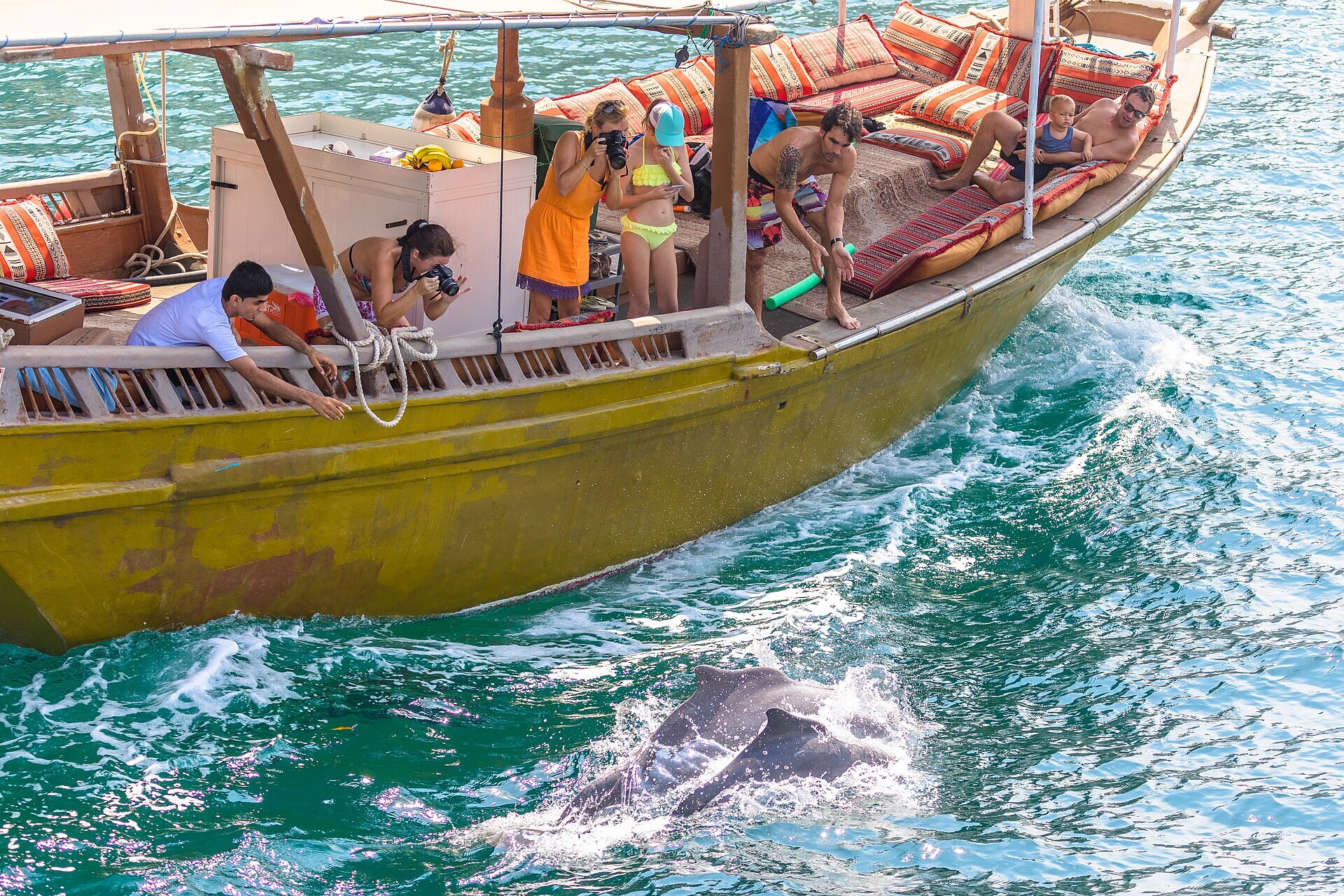
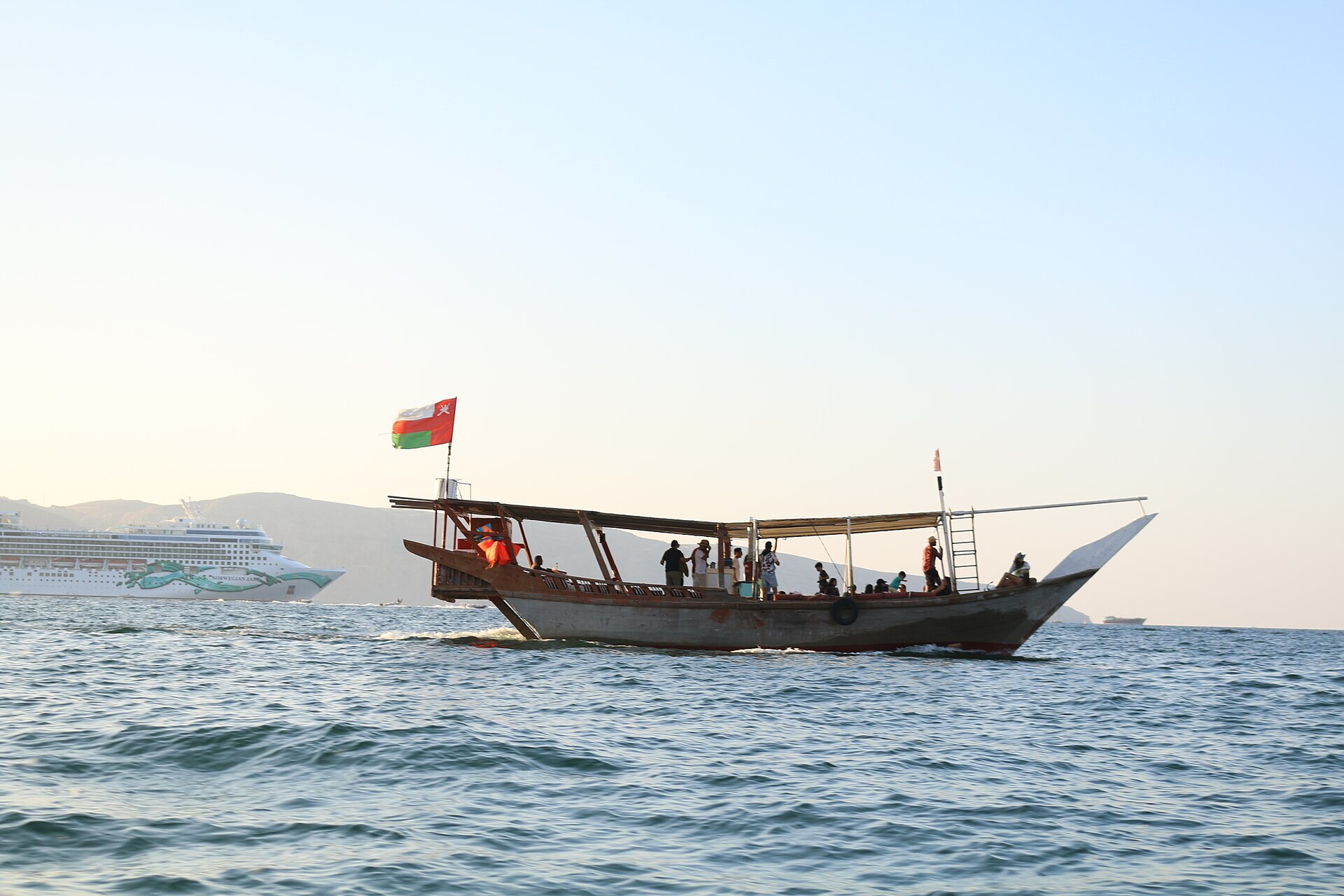
Sixteen kilometres of fjord, stilt villages clinging to the walls, carpets and cushions on deck, and swimming stops in water like glass: the day that built Musandam's name.

A British cable station so hot and lonely that "going round the bend", the fjord's last turn, entered the language. Today it is the cruise's snorkelling stop.

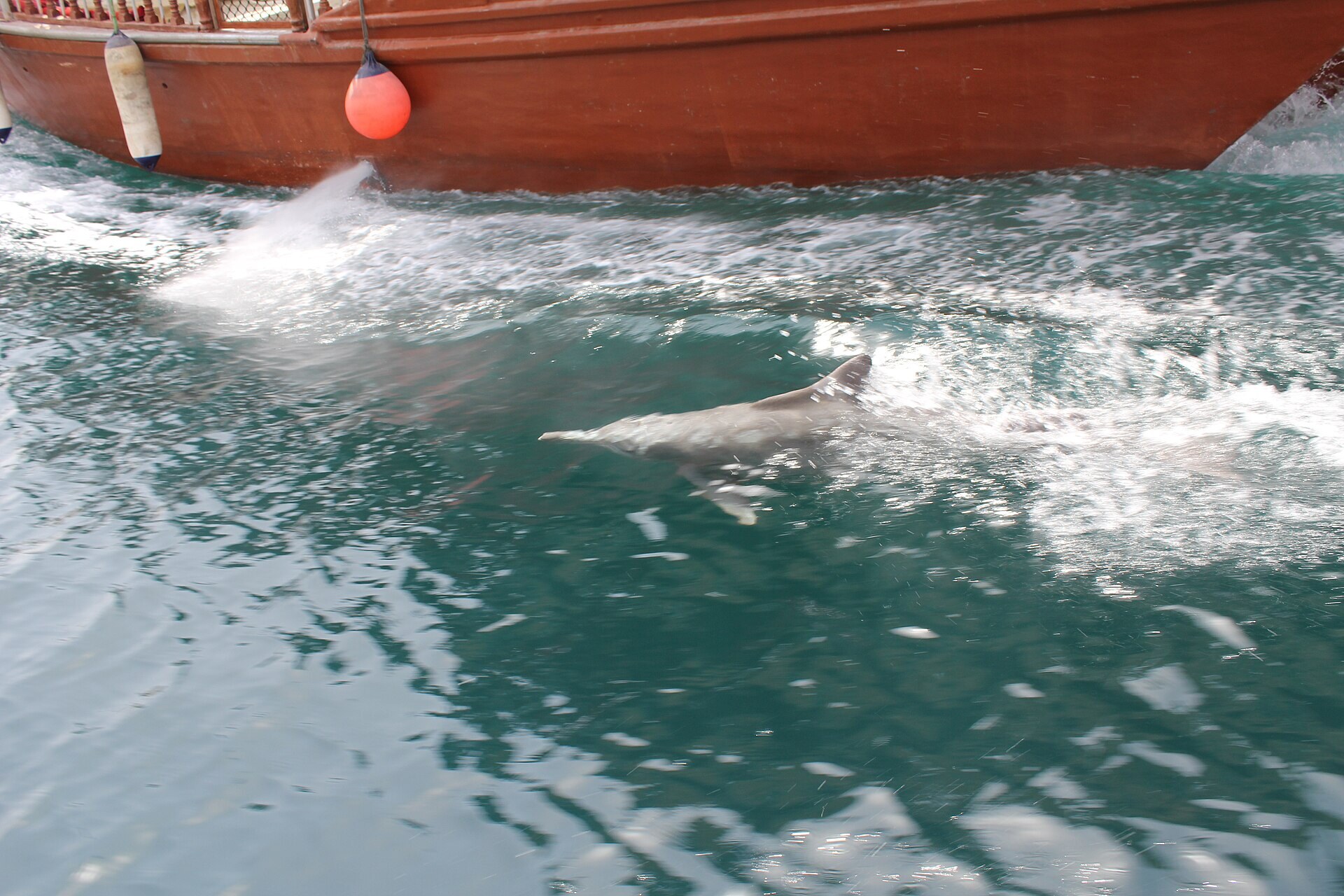
Resident humpback and bottlenose dolphins treat the dhows as entertainment, surfing the wake close enough to hear them breathe.

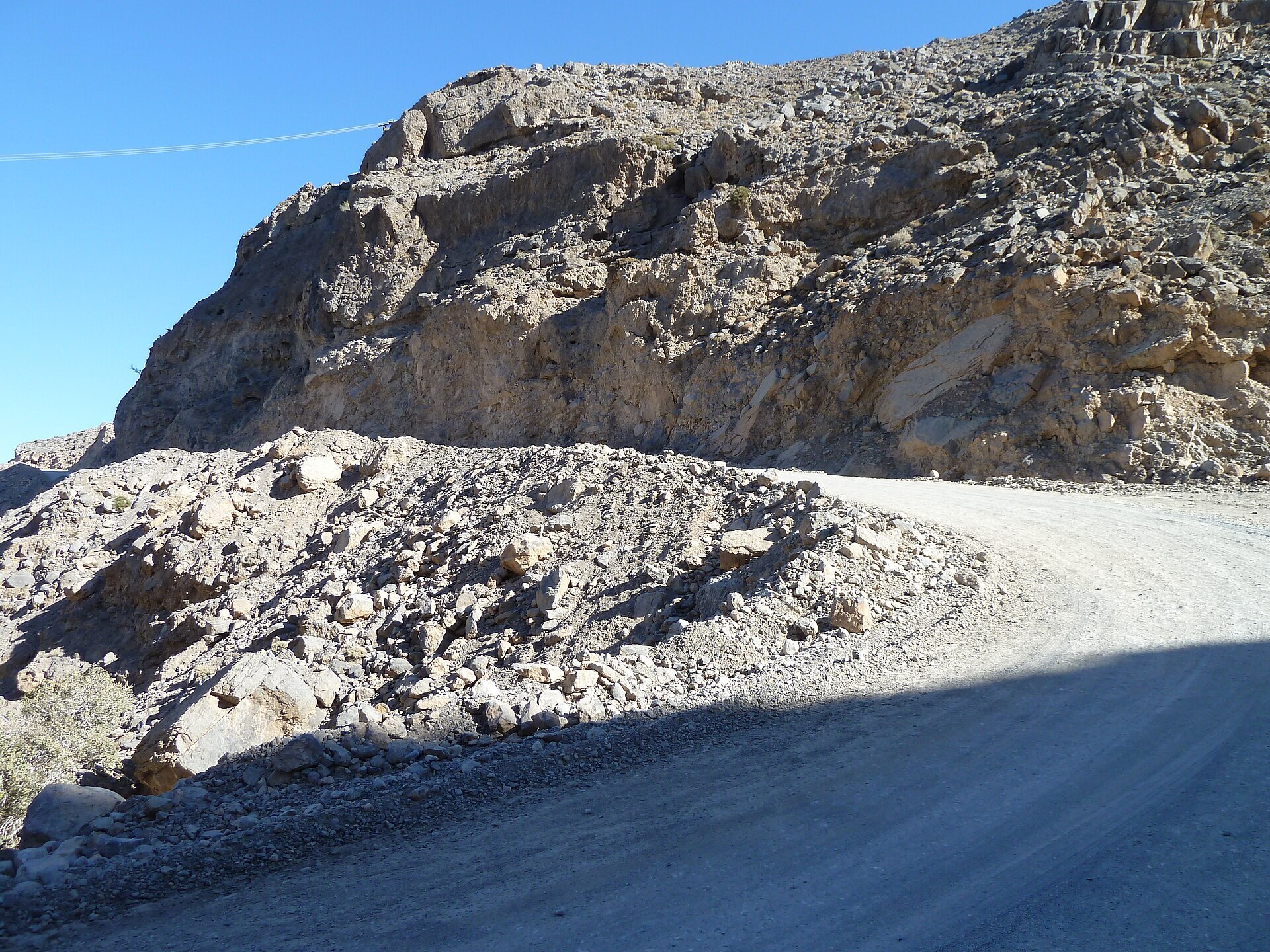
A 4x4 track corkscrews from sea level to Oman's airy roof: fossil seabeds at 2,000 metres, Bedouin stone villages, and the whole strait laid out below.

Beyond the last road, the village of Kumzar faces Iran across the world's busiest oil lane and speaks a language all its own. Full-day boats sometimes round the point; binoculars earn their place.

A compact Portuguese-era fort, a museum of dhow life, and a waterfront where smuggler skiffs to Iran still idle photogenically among the fishing boats.
Everything hinges on one border post and one harbour. The variable is time: a dash, a night, or the slow version with the mountain in it.
Leave Dubai at six, cross at Tibat, board the full-day dhow at nine, swim twice, meet the dolphins, and recross before dinner. Tight but proven; passports and car border papers mandatory.
Same drive, none of the rush: dhow day one, fort and sunset at the harbour, Jebel Harim safari day two. Khasab after the day-trippers leave is half the point.
Oman-side purists fly from Muscat over the fjords. Or skip Khasab entirely: the Dibba coast on the east side hides the peninsula's barefoot-luxury bay resorts, reachable from Dubai without an Omani visa on arranged transfers.
Khasab for the fjords and boats, the Dibba coast for the hideaway resorts, Dubai as the inevitable hinge. Winter weekends sell out the little town fast: book before the border, not after.
Practical pieces with the border rules checked and the cushions tested. New entries twice a week.

A practical guide to Musandam's best snorkeling spots: Telegraph Island, Lima Rock, Ras Lima, water conditions by season, and what to actually expect.

What to eat in Khasab: grilled fish, Omani breakfasts, dhow-deck lunches and where locals actually sit down to eat, with approximate prices.

Visa rules for Musandam explained: who needs an Oman visa, who enters visa-free, and how the Dubai to Khasab border crossing actually works in practice.

A practical guide to visiting Khasab Castle: Portuguese origins, what's inside, opening hours, entry fee, and how it fits into a Musandam day.

Khasab hotel, overnight dhow or Dubai day trip: a practical comparison of where to sleep in Musandam, with prices, access and who each option suits.

A practical guide to the Jebel Harim mountain safari from Khasab: road conditions, 4x4 hire, fossil sites, viewpoints and what to carry up.

The history behind Musandam's Telegraph Island: why Victorian cable engineers were stationed in Khor ash Sham, and how to visit the ruins by dhow today.

When are Musandam dolphin sightings most likely, and where. A straight-talking guide to seasons, khors, dhow timing, and what to actually expect.

A practical guide to the Khasab day trip from Dubai: border logistics, timing, visa notes, and what to expect crossing into Oman's northern exclave.

A practical comparison of Musandam's overnight dhow cruises: cabins, routes, approximate prices, and the Omani exclave logistics worth knowing before you book.
A.wahid47, CC BY-SA 4.0Every step from the Tibat crossing to the last dolphin, timed and priced.

The mountain-safari day above the fjords, village by village.

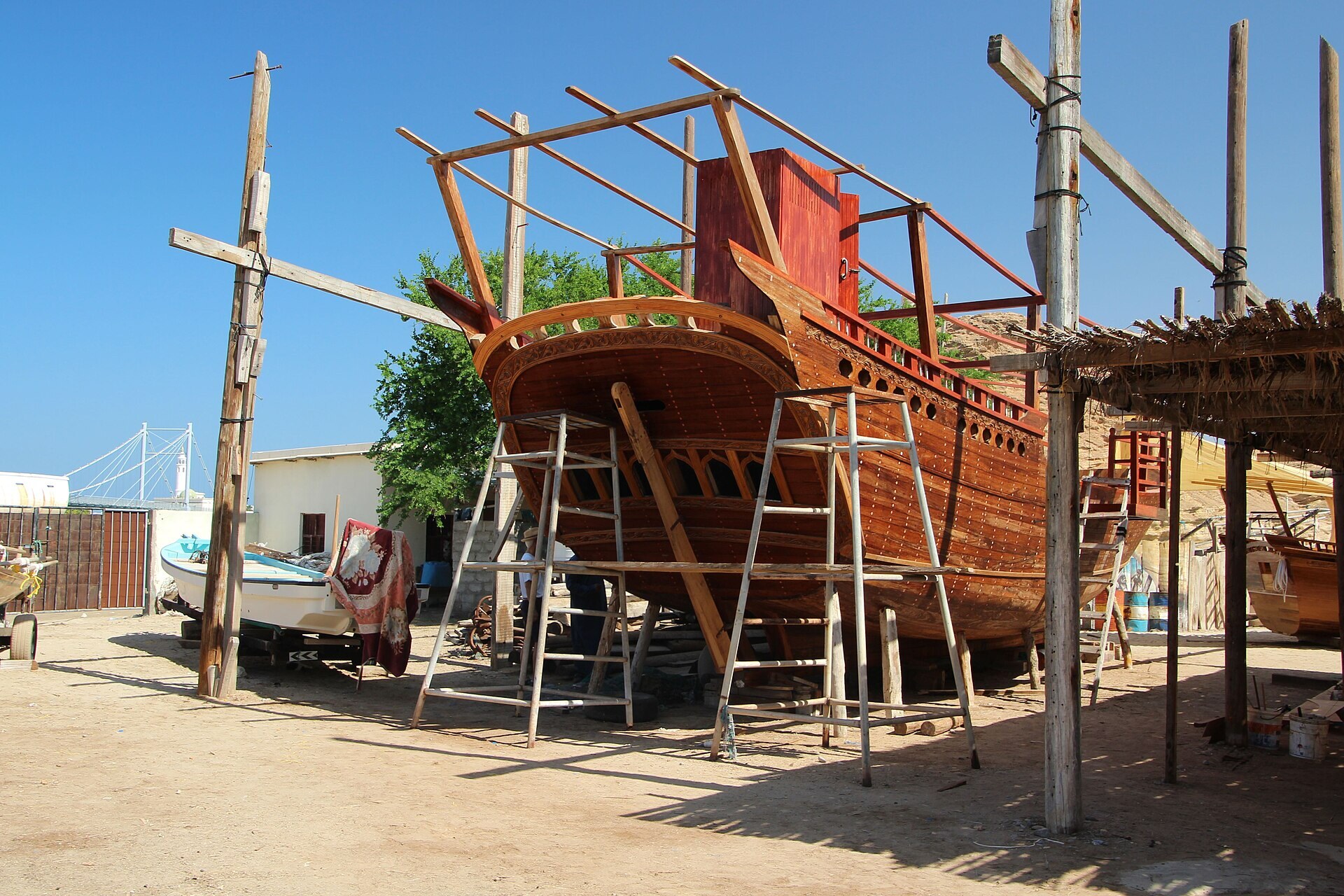
From Sur's shipyards to Khasab's harbour, a user's guide to the boat you'll lounge on.
Yes: 2.5 hours each way via the Tibat crossing, full-day dhow in between, home by evening. It works, it is popular, and the overnight version is still better.
Passports for everyone, Omani visa arrangements per your nationality (often e-visa or visa-free short stays), UAE exit formalities, and, if driving, confirmation your rental or insurance covers Oman. Rules evolve: check them the week you travel, not the year before.
The full day reaches deeper into Khor Ash Sham, includes lunch and two swim stops, and gives the dolphins more chances to show. The half day suits tight schedules and small children.
October to April. Summer exceeds 40°C and flattens everyone except the dolphins. Winter weekends are busiest: midweek or an overnight dodges the convoy.
Very: calm water, shaded decks, snorkelling off ladders, and a boat ride that doubles as a nap platform. The Jebel Harim track is the only part that asks for stomachs of some fortitude.