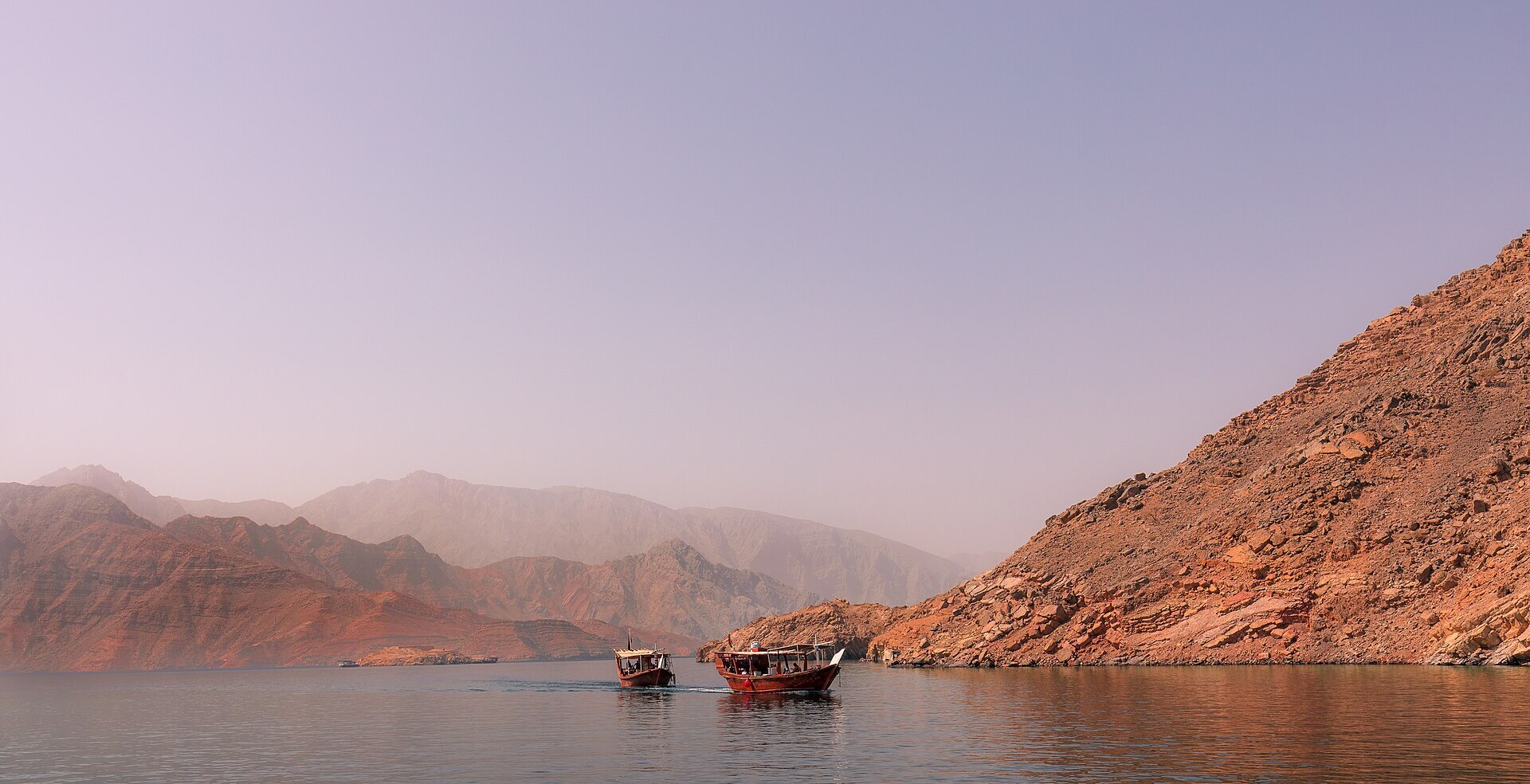
Musandam is Omani territory, cut off from the rest of the sultanate by a wedge of the UAE, which means almost every visitor arrives via Dubai or Ras al Khaimah and crosses an actual international border to get there. That single fact drives every visa question travellers ask. The rules are not complicated once laid out, but they trip people up at the Tibat crossing more often than you would expect, usually because they assumed Oman and the UAE share one visa regime. They do not.
Who actually needs a visa
Citizens of the GCC states enter Oman, including Musandam, without any visa at all. Holders of passports from the United States, United Kingdom, the European Union, Canada, Australia, and most of Southeast Asia are eligible for an Oman visa on arrival or an e-visa processed in advance, typically valid for 10 days (single entry) or 30 days, with costs in the range of 5 to 20 OMR (about 13 to 52 USD) depending on duration and nationality. A smaller number of nationalities fall outside this easy bracket and need to apply through an Omani embassy before travel. If your passport is not GCC, check your specific nationality against Oman's official eligibility list before booking anything, since the list changes periodically and day-trip operators are not always current on it.
Day trip versus overnight: does it change the paperwork
No. Whether you are doing a single-day dhow cruise or staying two nights in Khasab, the visa requirement is the same, because you are still crossing a sovereign border each way. Day-trip operators from Dubai usually handle the Omani entry stamp as part of the package, collecting passports in advance or processing them at the counter while you wait in the vehicle. If you are travelling independently rather than on an organised tour, you will join the same queue and pay the same fee yourself. For context on what a single day actually looks like door to door, the Musandam from Dubai day trip guide walks through timing and logistics in more detail.
The Tibat border crossing in practice
Most overland visitors cross at Tibat, roughly 90 minutes from Dubai by road. The sequence is: UAE exit stamp, a short drive through a buffer zone, then the Omani entry post where the visa fee is paid and a stamp or sticker issued. On a normal morning this takes 20 to 40 minutes total, but delays stretch during Eid and other UAE public holidays when traffic backs up on both sides. Bring your physical passport (not a photo of it), keep the UAE exit card if one is issued, and have small denomination cash on hand since card machines at the post are not always reliable. A fuller walkthrough of the crossing itself, including what to expect at each checkpoint, is covered in the Dubai Run border crossing guide.
If your UAE visa is single-entry or close to expiry, confirm you can re-enter before you leave Dubai, since Musandam trips always require crossing back into the UAE afterward unless you are flying out of Oman directly.
Multiple-entry and longer stays
Travellers combining Musandam with mainland Oman, say Khasab followed by a drive south to Muscat, should request a multiple-entry visa if their nationality's e-visa system offers one, since a single-entry visa used at Tibat will not let you re-enter Oman later from a different border or airport. The 30-day visa option suits anyone planning to stay a few nights, explore Jebel Harim's fossil beds, and still have margin for a delayed ferry or an extra night. Overnight dhow passengers, who sleep aboard rather than in a hotel, still need the same standard tourist visa; the vessel itself has no bearing on entry requirements, as explained in the overnight dhow cruise guide.
What the visa does not cover
An Oman tourist visa gets you across the border but says nothing about what you can do once inside. Dolphin-watching trips, the drive up to Jebel Harim, and a stop at Khasab Castle all require no separate permit for tourists. The one practical planning note worth pairing with your visa paperwork is seasonal: dolphin sightings run more reliably in cooler months, and the guide to when dolphins show is useful if you are timing a trip around that rather than just the border logistics.
Where to stay and base yourself
Most visitors base themselves in Khasab itself, a short walk or taxi from the port where dhow trips depart, though some prefer the single-day Dubai approach without an overnight stay at all. Either choice has no bearing on the visa, only on how much of Musandam you actually see, something laid out properly in the Khasab base versus day trip comparison. Whichever you pick, arrive at the border with your passport, the visa fee in cash, and a printed or digital copy of any hotel booking, since officers occasionally ask for proof of onward plans, particularly for longer stays.
In short: check your passport against Oman's current e-visa list, budget roughly half an hour at Tibat on a normal day, carry cash for the fee, and confirm your UAE re-entry status before you leave. Get those four things right and the paperwork becomes a minor formality rather than the trip's main obstacle, leaving the khors, the silence, and whatever dolphins choose to appear as the actual story of the day.